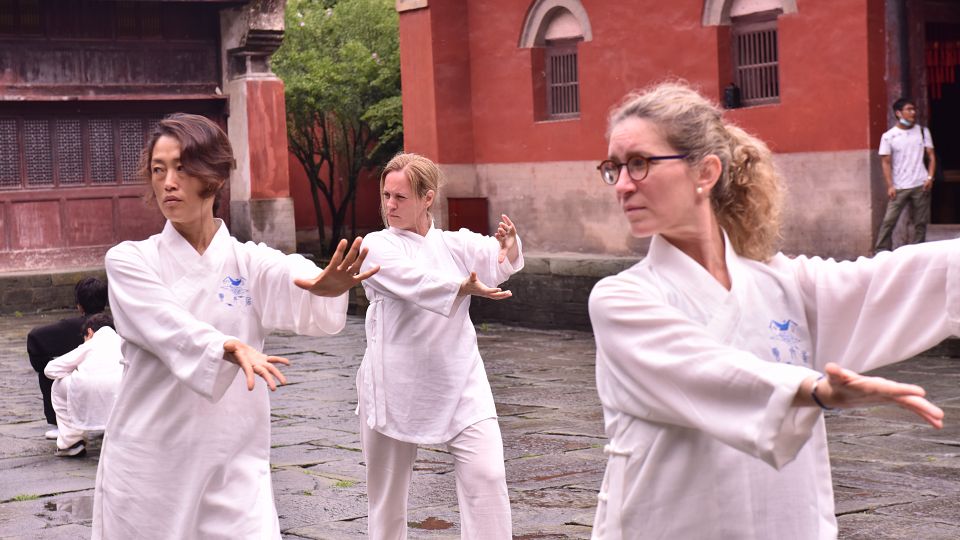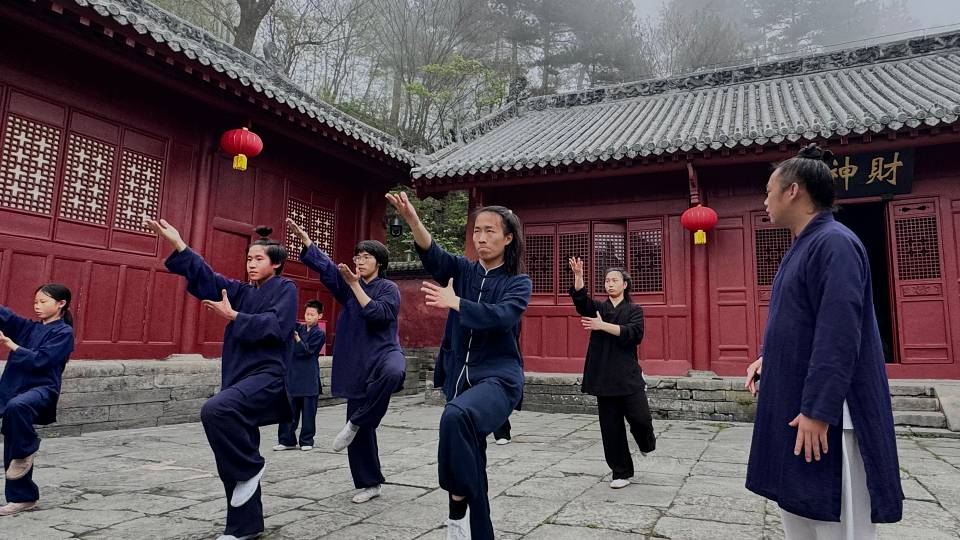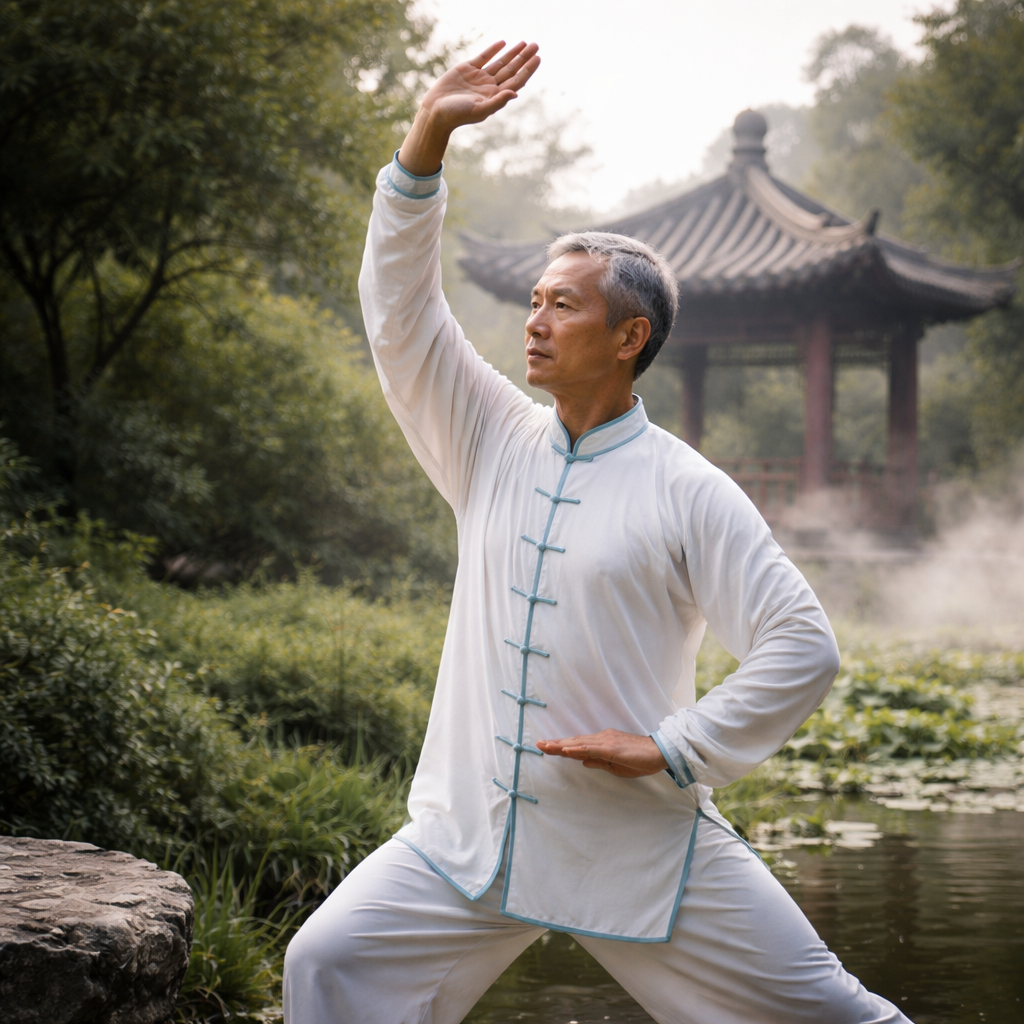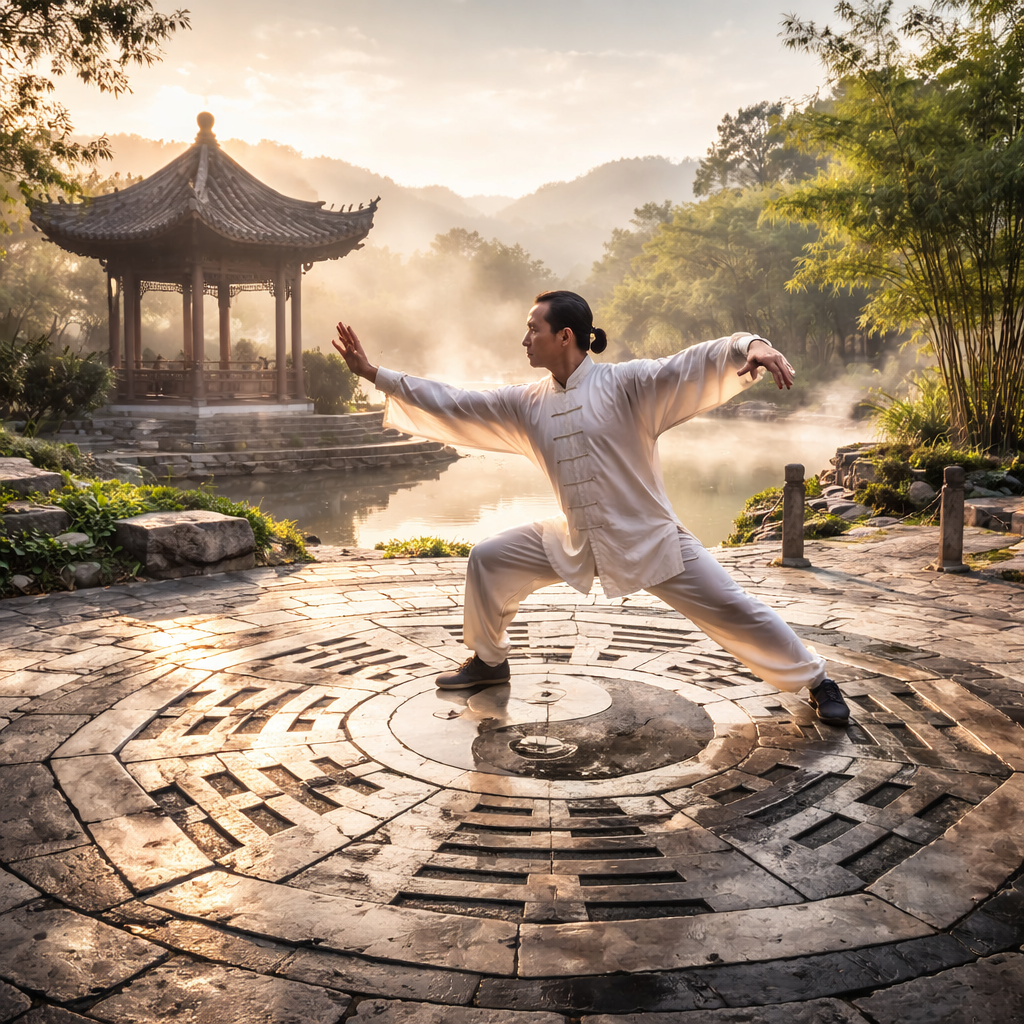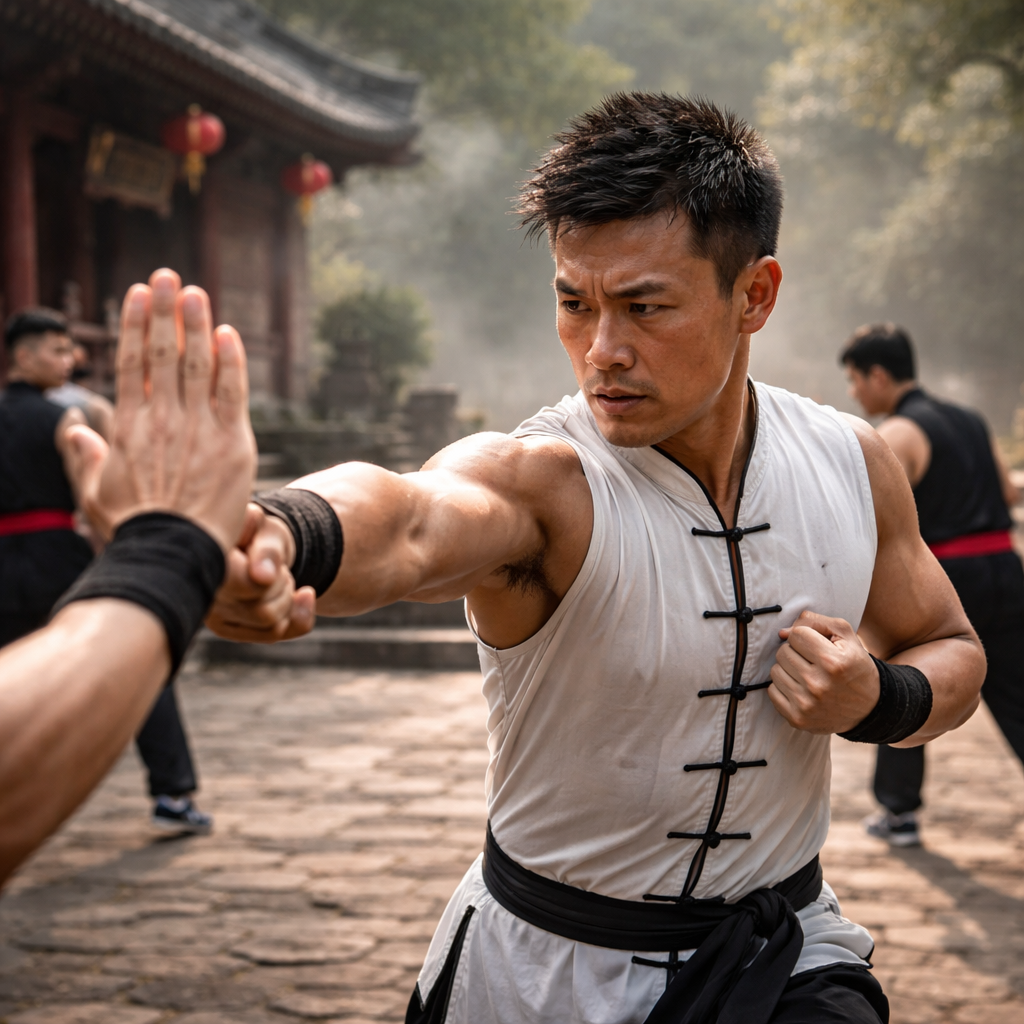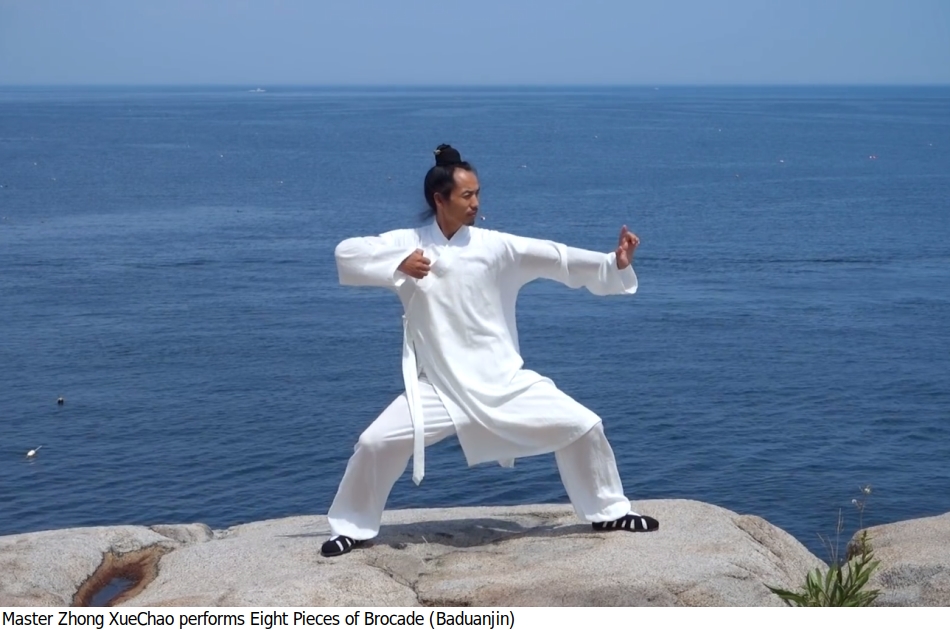
Practical Kung Fu refers to the applied side of traditional Chinese martial training. While many people first encounter Kung Fu through forms, performances, or cinematic movements, Practical Kung Fu focuses on how body method, structure, timing, coordination, conditioning, and intention are developed for real martial use. It is not merely about external power or fast techniques, but about training the body and mind to move with efficiency, stability, awareness, and purpose.
In traditional Chinese martial culture, practical skill was never completely separated from disciplined cultivation. A student did not simply learn how to strike, block, or evade. He or she learned how to stand, how to align the body, how to root the feet, how to connect the waist and spine, how to generate force from the ground, how to remain calm under pressure, and how to use movement economically. These qualities formed the basis of real martial ability. Without them, techniques remain empty shapes; with them, even simple actions become effective.
Practical Kung Fu therefore begins with the body itself. The student must first correct posture, improve balance, build leg strength, develop mobility, and learn how to coordinate upper and lower body movement. Many beginners assume martial ability comes from learning large numbers of techniques, but in reality, progress begins with repetition of foundations. Step by step, the body becomes more responsive, the breath steadier, the stance more reliable, and the movements more connected. Only then can martial application become meaningful.
Another important aspect of Practical Kung Fu is that it trains awareness, not only action. In traditional training, one is taught to observe distance, timing, rhythm, intention, and direction. The practitioner gradually learns how to read movement, how to adjust to pressure, and how to conserve energy. Real martial skill does not depend on force alone. It depends on judgment, sensitivity, discipline, and correct response. This is why many traditional systems spend so much time on stance work, partner drills, stepping methods, and simple repeated exercises. These methods cultivate qualities that cannot be gained from theory alone.
Practical Kung Fu is also closely tied to conditioning. A weak body cannot support strong skill. In the old training traditions, practitioners developed endurance, leg power, core connection, flexibility, and resilience through basic drills repeated over long periods. Such conditioning was not intended only for appearance or athletic display. It prepared the student to maintain form under fatigue, remain stable under pressure, and preserve coordination during demanding movement. When the body is trained correctly, power becomes more natural and movement becomes more reliable.
Practical Kung Fu refers to the applied side of traditional Chinese martial training. While many people first encounter Kung Fu through forms, performances, or cinematic movements, Practical Kung Fu focuses on how body method, structure, timing, coordination, conditioning, and intention are developed for real martial use. It is not merely about external power or fast techniques, but about training the body and mind to move with efficiency, stability, awareness, and purpose.
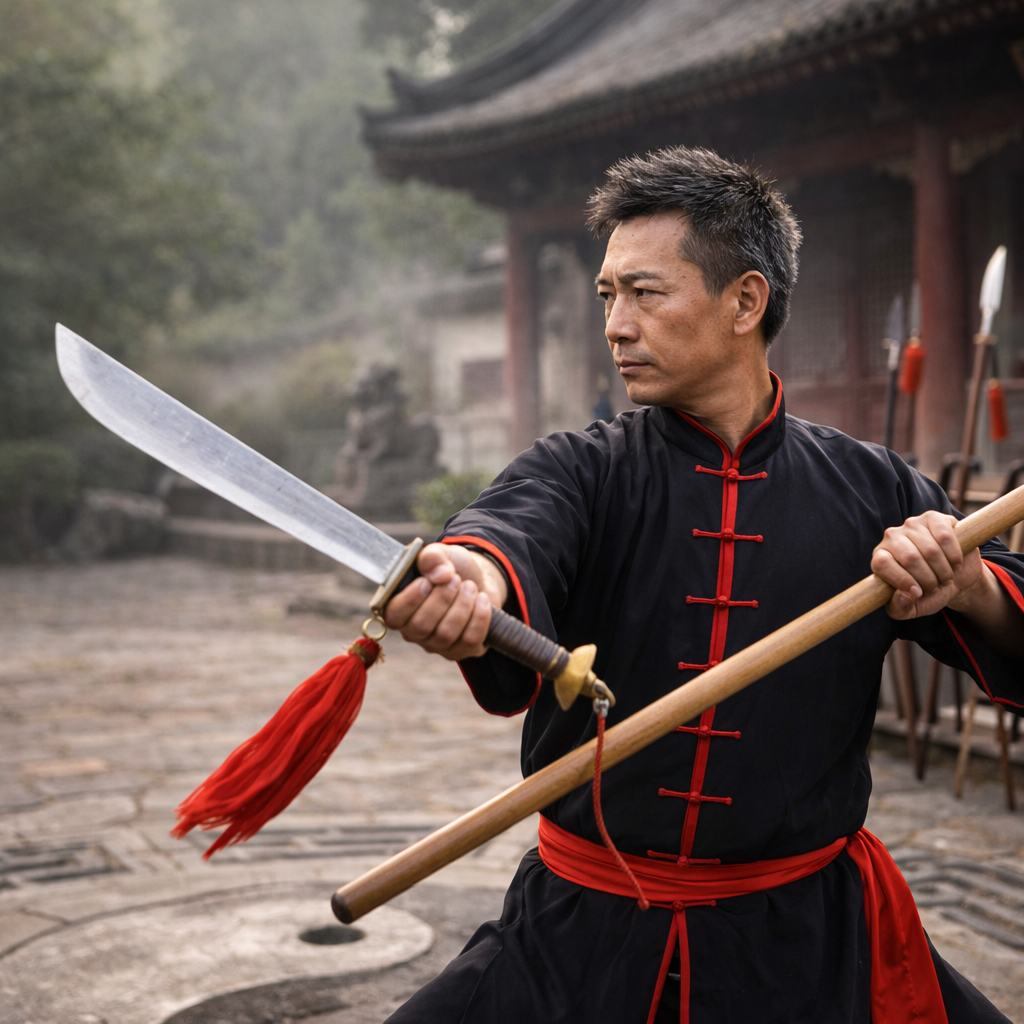
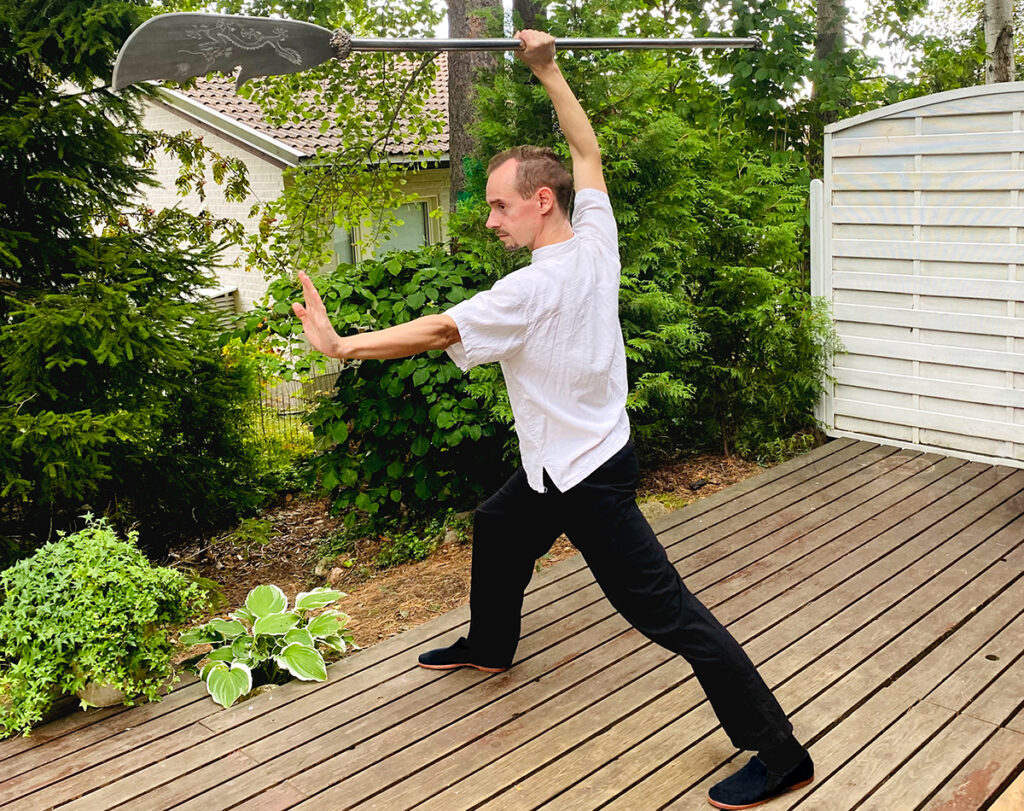
In traditional systems, the study of weapons was considered an important part of martial development. Different weapons train different qualities. The straight sword emphasizes lightness, precision, coordination, and spirit. The broadsword develops power, rhythm, and expressive movement. The staff strengthens whole-body connection, reach, stability, and timing. Spear work is often valued for line, thrust, accuracy, and continuity. Although the forms and methods vary, the underlying principle remains the same: the weapon must move as an extension of the practitioner, not as a disconnected tool.
Kung Fu weapons training also improves discipline and awareness. Because weapons require greater control, students must pay close attention to posture, spacing, direction, grip, and transitions. A careless movement becomes immediately obvious. This is why weapons practice is such an effective way to deepen technical understanding. It teaches students to move with intention, preserve alignment, and develop clear body coordination. Over time, training with traditional weapons sharpens focus, strengthens structure, and brings greater precision to both martial movement and overall practice.