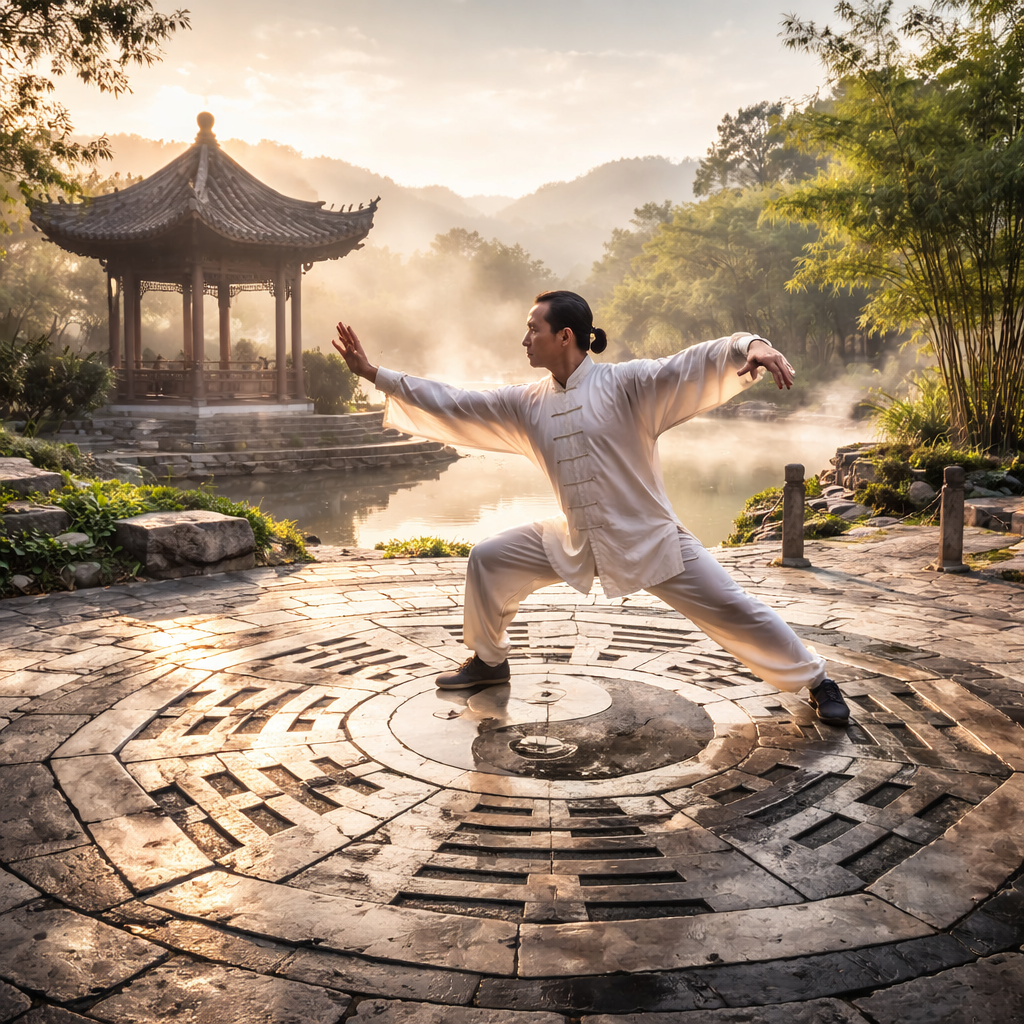
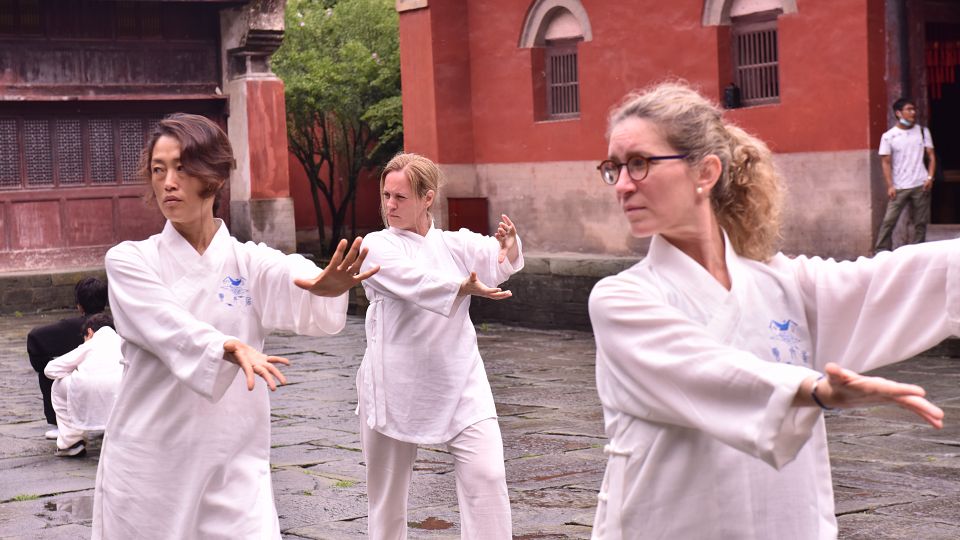
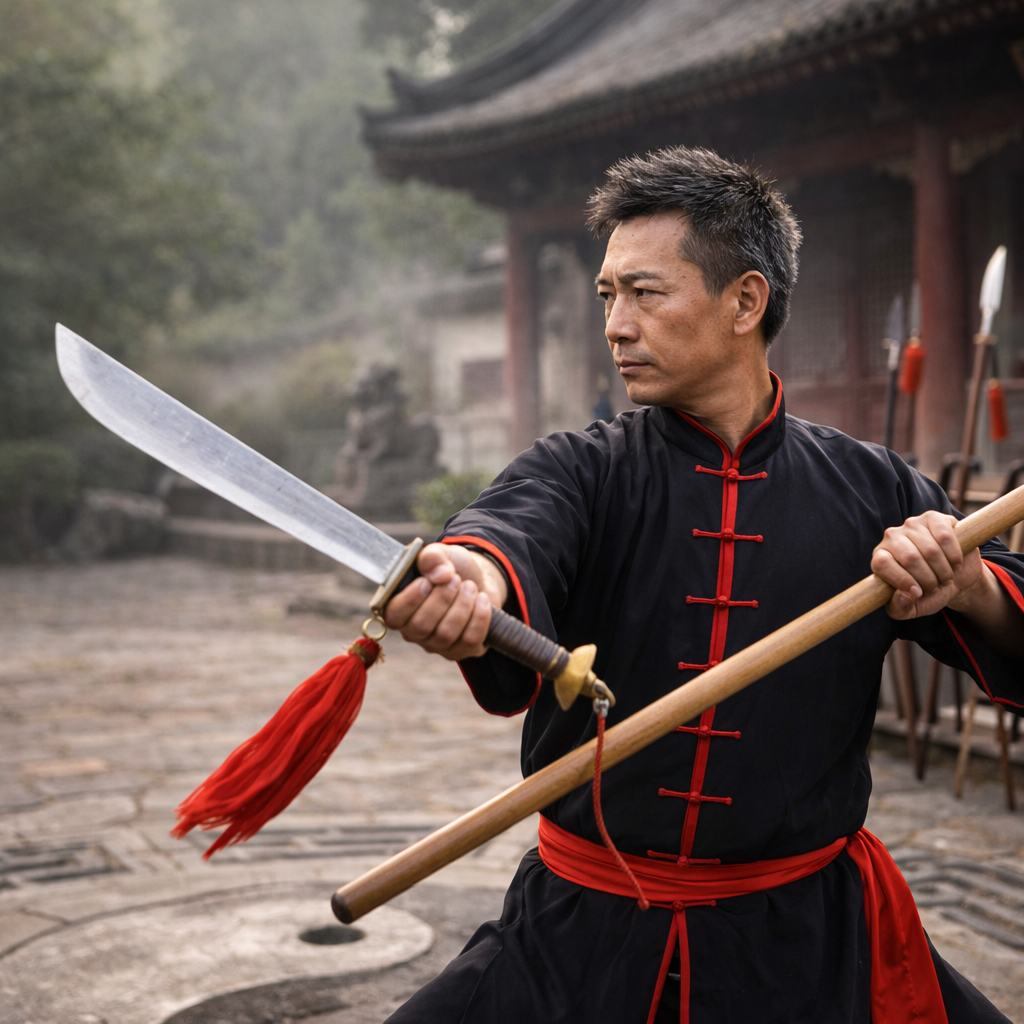
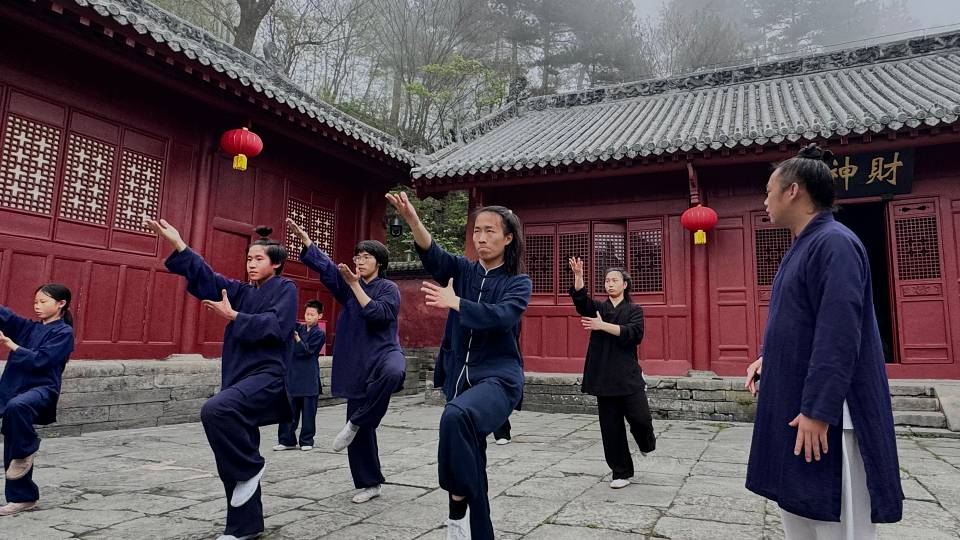
Bagua Palm is a traditional Chinese internal martial art known for its circular movement, agile footwork, and continuous change. Unlike systems that emphasize straight lines and direct repetition, Bagua Palm trains the practitioner to move through angles, rotation, and flowing transitions. Its practice develops coordination, balance, body connection, and spatial awareness, while also strengthening the relationship between movement, intention, and structure. For many students, Bagua Palm is both physically dynamic and mentally demanding, requiring steadiness, adaptability, and precision.
At the heart of Bagua Palm training is the method of circle walking. Through repeated walking practice, students learn how to maintain posture while the body turns, steps, and changes direction. This develops leg strength, rooted movement, waist connection, and the ability to shift smoothly without losing balance. The circular method is not simply for appearance. It teaches how to generate movement from the center of the body, how to coordinate upper and lower body action, and how to remain responsive while constantly changing position. Over time, these skills build a more connected and agile body.
Bagua Palm is also valued for its deeper internal qualities. The training encourages alertness, calmness, and whole-body awareness rather than stiff or isolated movement. As students refine their practice, they begin to understand how turning, stepping, spiraling, and changing can be guided by intention instead of force alone. This makes Bagua Palm a powerful method for both martial development and personal cultivation. Whether approached as an internal art, a movement discipline, or a traditional martial path, Bagua Palm offers a rich system for developing coordination, adaptability, and continuous flow.